Cancer Immune Surgery (UMPIC)

Transforming physical resection into immune-activating resection.

The New Paradigm

Ultro-Minimum Incision Personalized Intratumoral Chemoimmunotherapy (UMPIC) creates a new blue ocean in cancer treatment.

This project revolutionarily extends the application of immunotherapy from late-stage systemic treatment to the early perioperative period of tumors. Our proposed "Cancer Immune Surgery" paradigm aims to pre-treat the tumor before surgical resection, physically remove the lesion while initiating long-term immune memory during the operation.

By doing so, we clean up micrometastases at the source and significantly reduce the risk of postoperative recurrence, solving the century-old dilemma of traditional surgery: "removing but not preventing".

Key Achievements: 80,000+ patients treated over 26 years across 10+ countries, a 92.65% clinical benefit rate in a published 2,836-patient cohort, and orphan drug designation by the US FDA.
Cancer Immune Surgery
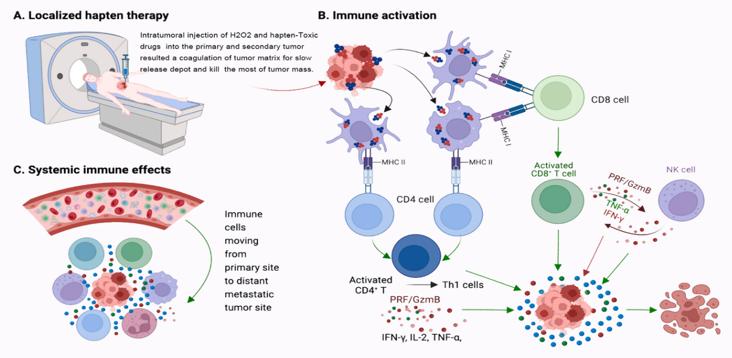
CT-guided intratumoral injection

Re-Inventing Cancer Surgery

For more than a century since Miles' first abdominoperineal resection (1908) and Wertheim's first radical hysterectomy (1906), surgery has remained the textbook approach to cancer treatment — yet successful surgery does not always guarantee successful treatment. Metastasis or tumor cell retention during resection remains a persistent clinical problem.

UMIPIC-guided Immune Cancer Surgery pre-conditions the tumor before the scalpel: the autologous tumor antigens released from cytotoxic drug-killed cells trigger a self-vaccination effect, boosting systemic immunity against tumor-specific antigens to suppress recurrence and metastasis at the moment of surgery.

Under CT or ultrasound guidance, an appropriate dose of the compound solution is injected directly into the tumor — minimal incision, high accuracy, low risk.

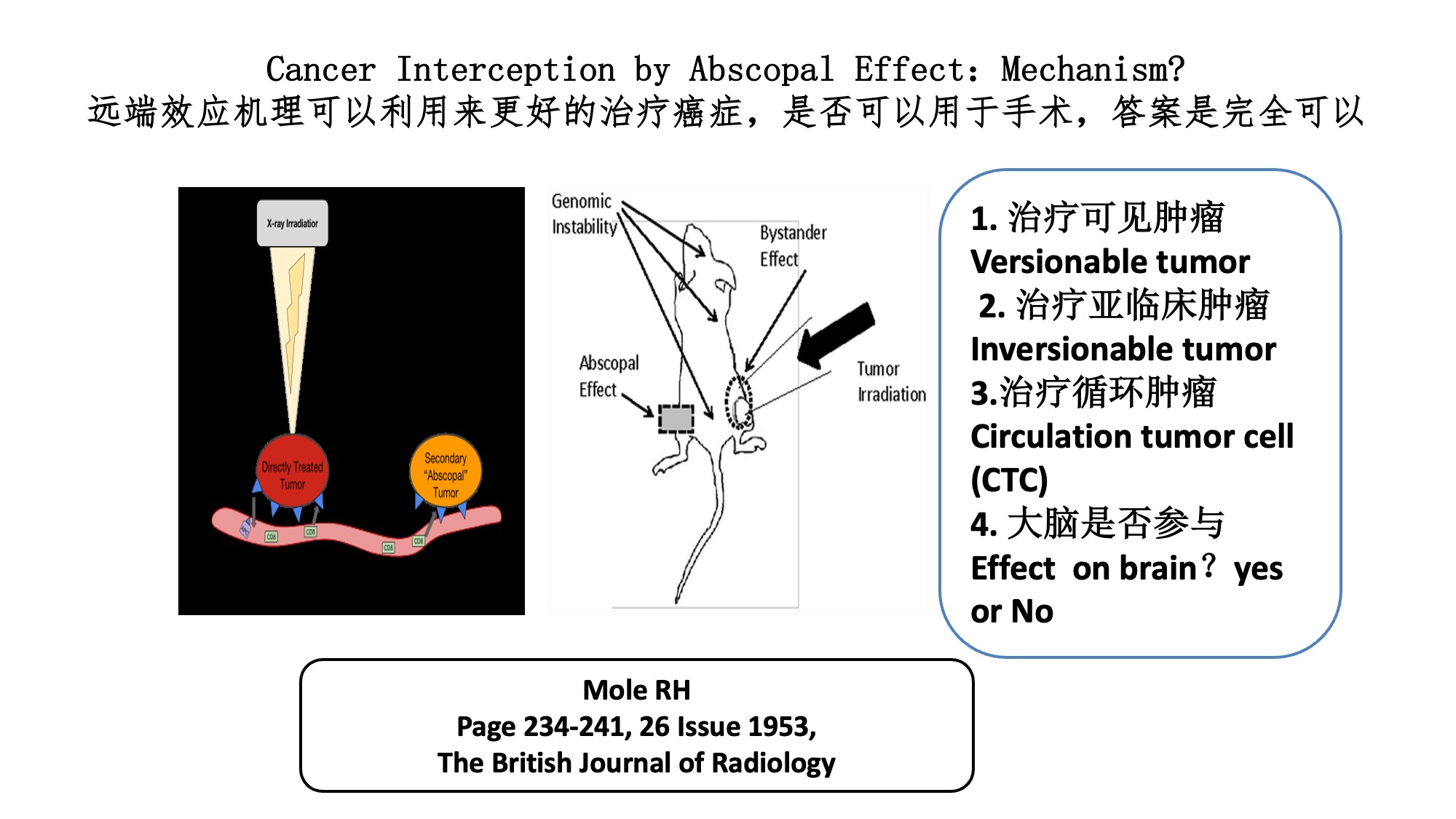
Cancer Interception via the Abscopal Effect

Level Target Effect
1 Macroscopic metastases Primed CD8⁺ CTLs travel via the bloodstream to eliminate established distant metastases.
2 Circulating tumor cells (CTCs) Sustained memory T-cell surveillance suppresses CTCs — 80% suppression observed clinically.
3 Pre-metastatic niches & micrometastases Activated immunity eradicates subclinical disease foci below imaging detection.