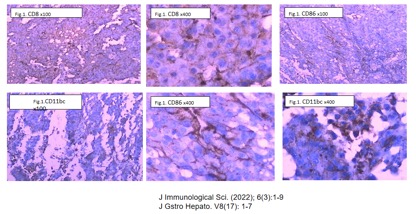
The world's first new paradigm of "Immune Surgery and Universal Treatment for various solid tumors"
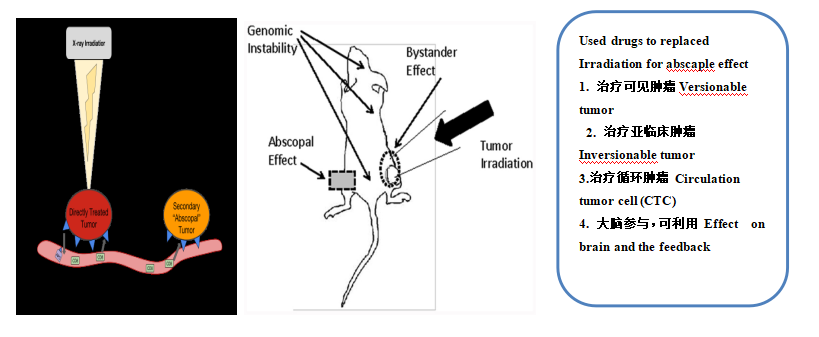
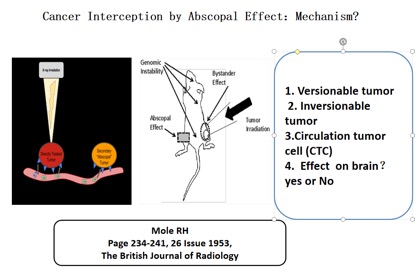
The remarkable efficacy of sustained-release library therapy is rooted in its profound understanding and clinical realization of the Abscopal Effect.
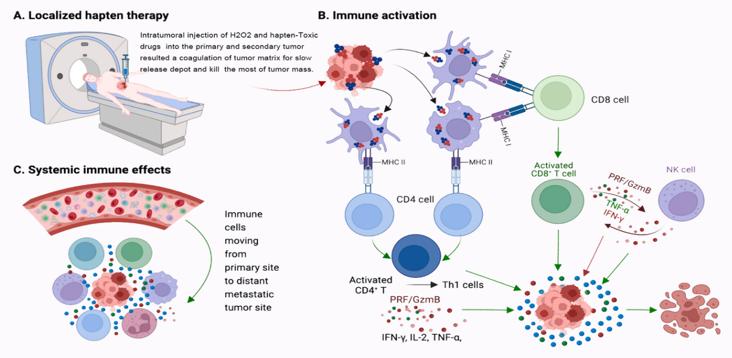
By initiating a series of sequentially occurring biological events through intratumoral injection of its core compound formulation, UMPIC induces systemic immunity from local killing.


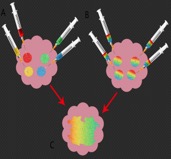
A wholly original innovation: drug carriers form directly inside the tumor, not in a test tube.
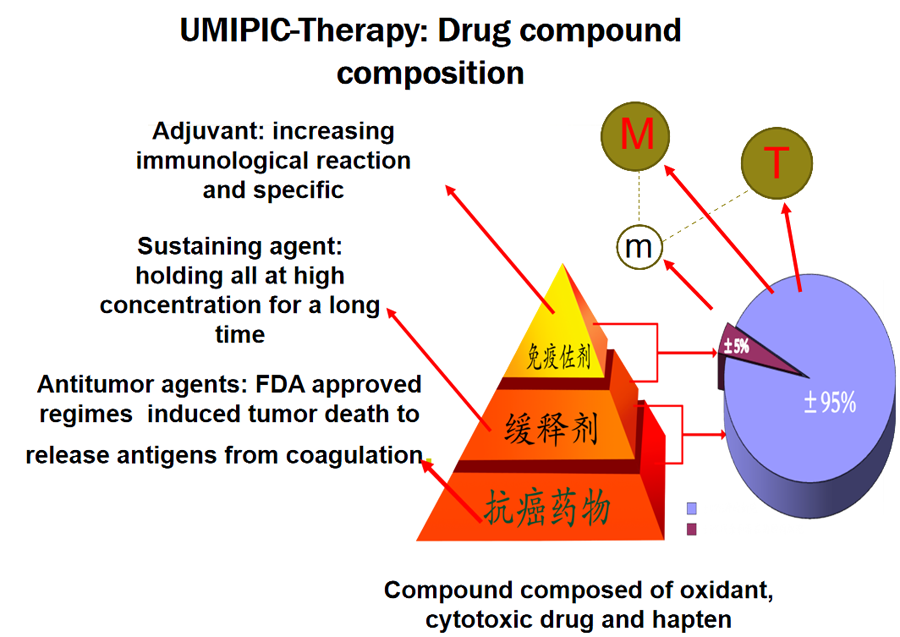
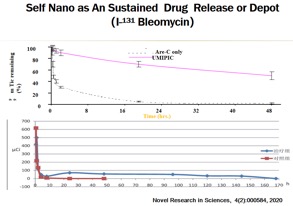
The UMIPIC formulation comprises two chemotherapeutic agents that function as immunogenic haptens, combined with a sustained-release agent. Upon intratumoral injection, these components spontaneously self-assemble into fine nanoparticles — distributed uniformly throughout the tumor tissue in an interconnected network for prolonged, localized drug release.
This in situ formation surpasses the capabilities of conventional test-tube nanoparticle synthesis, and is designated self-nanotechnology.
Direct intratumoral killing of tumor cells, releasing a large amount of tumor-associated antigens from coagulated tumor tissue to provide "attack targets" for the immune system.
Acts as a "reservoir", maintaining high concentrations locally for 7-20 days, avoiding rapid metabolism and greatly reducing systemic toxic side effects.
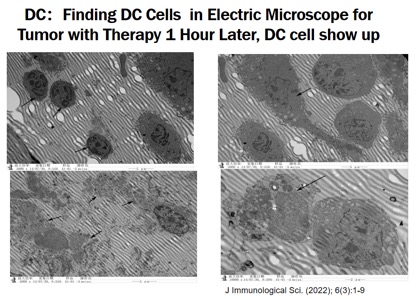
Functions as an "amplifier" and "navigator", modifying released tumor antigens to be recognized by dendritic cells, enhancing the body's specific immune response.
Hydralazine
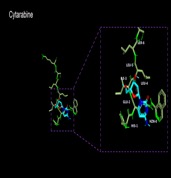
Cytarabine (Ara-C)
2,4-Dinitrophenol (DNP hapten)
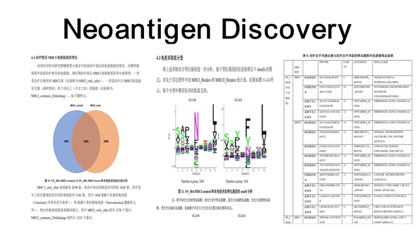
UMIPIC is not merely a cytotoxic platform — it is an in vivo neoantigen factory.
Beyond direct cytotoxicity, UMIPIC induces immunogenic cell death (ICD), releasing DAMPs that convert dying tumor cells into endogenous "vaccines." The post-UMIPIC tumor becomes an enriched source of tumor-specific neoantigens, creating an ideal window for discovery.
Post-UMIPIC biopsy at 72–96 hours (peak ICD window)
Whole-exome & RNA sequencing of tumor and germline DNA
In silico HLA binding prediction of candidate peptides
Mass spectrometry validation of naturally presented neoantigens
Functional T-cell reactivity assays (ELISpot, ICS, cytotoxicity)
Applications: personalized cancer vaccines, adoptive T-cell therapy, MRD biomarkers, and combination with PD-1/PD-L1 checkpoint inhibitors.
First described by Dr. R.H. Mole in 1953 (The British Journal of Radiology), the abscopal effect has been re-engineered by UMIPIC from a radiobiological curiosity into a pharmacologically-induced, multi-tiered interception strategy.
| Level | Target | Effect |
|---|---|---|
| 1 | Macroscopic metastases | Primed CD8⁺ CTLs travel via the bloodstream to eliminate established distant metastatic deposits. |
| 2 | Circulating tumor cells (CTCs) | Sustained memory T-cell surveillance intercepts CTCs before they can colonize distant organs. |
| 3 | Pre-metastatic niches & micrometastases | Activated immunity eradicates subclinical disease foci below imaging detection — true cancer interception. |
Clinical evidence: circulating tumor cells suppressed in 80% of monitored patients post-UMIPIC.
The UMIPIC-induced abscopal effect is not only a peripheral immune phenomenon — it is also subject to central nervous system regulation.
Intratumoral UMIPIC injection induces local immunogenic cell death and sustained antigen release — the "local fire."
Dendritic cells cross-present released neoantigens, activating a polyclonal T-cell response — the "classical abscopal fire."
The brain senses inflammatory signals and amplifies the immune response via hormonal and neurotransmitter pathways — the "central ignition controller."
This convergence of oncology, immunology, and neuroscience represents a new frontier in achieving durable remission and functional cures.