Overview
Ultra Minimum Incision Personalized Intra-Tumoral Chemo-Immuno Therapy.
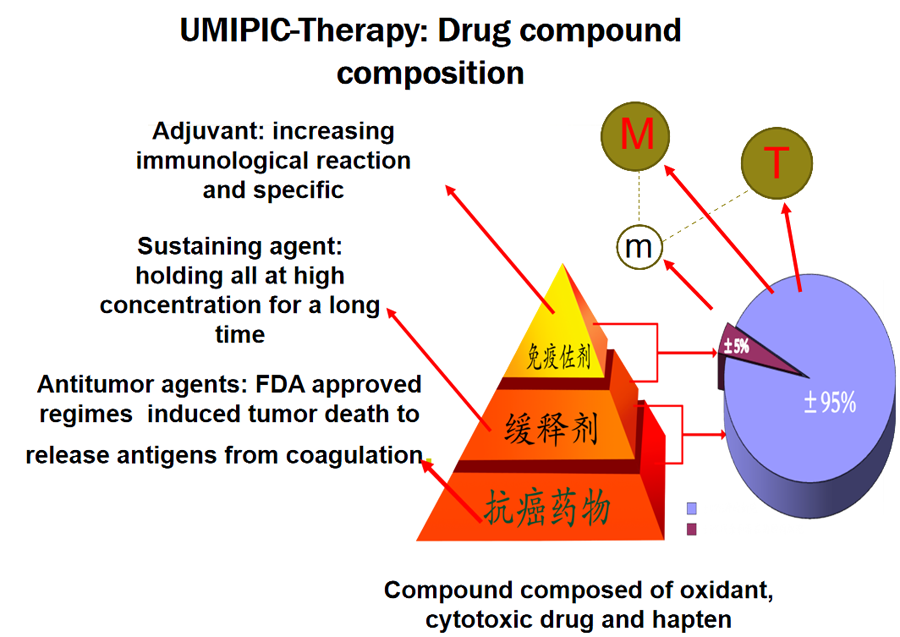
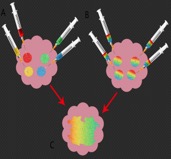
The anti-cancer compound drug formed by the combination of sustained-release formulation, chemotherapy drug (dual drug), and immune adjuvant is directly injected into the tumor and embedded in the tumor under the guidance of CT, ultrasound, or endoscopy.
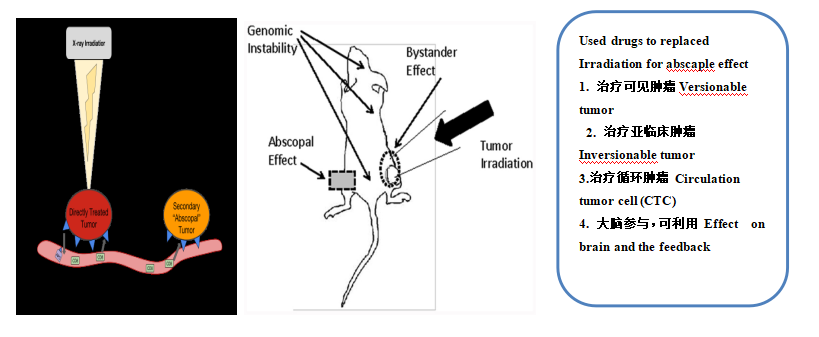
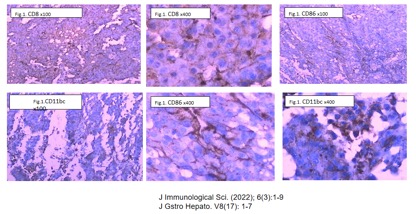
The anti-cancer drug is gradually released within 7-20 days, killing cancer cells, avoiding the toxic side effects of the drug on the whole body and achieving the goal of eliminating the tumor. The self tumor antigens released by cancer cells killed by compound drugs at the same time, with the assistance of immune adjuvants, activate the systemic immune response of the body, thereby playing a role in clearing recurrent or metastatic cancer cells.
Six Major Advantages
- Minimally invasive targeting
- Tumor decapitation
- Immune interception
- Multivalent vaccines
- Long-lasting protection
- Safe and effective